Essential Safety Measures

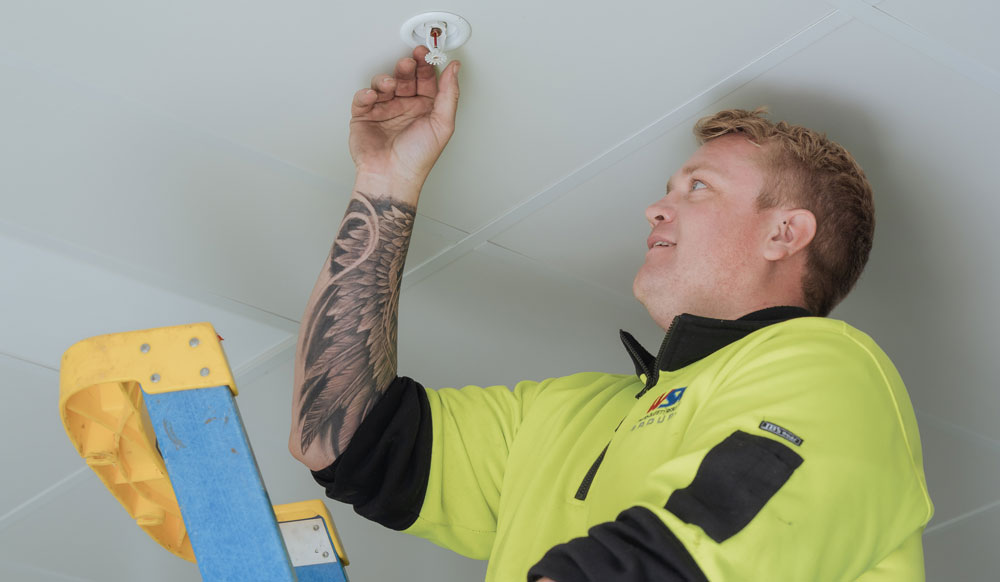
Essential Safety Measures are the systems and features within a building that help people evacuate safely and reduce the spread of fire - things like sprinklers, alarms, hydrants, smoke doors and emergency lighting.

They’re required under the Building Act 1993 and Building Regulations 2018 to ensure buildings remain safe for occupants and emergency responders.

Building owners hold legal responsibility for maintaining ESMs, although this is often delegated to property, facility or strata managers. Regardless of delegation, the owner remains accountable.

At FWSR Group, we simplify this process, testing, maintaining and reporting on all ESMs so you stay compliant and protected.
What’s covered under Essential Safety Measures

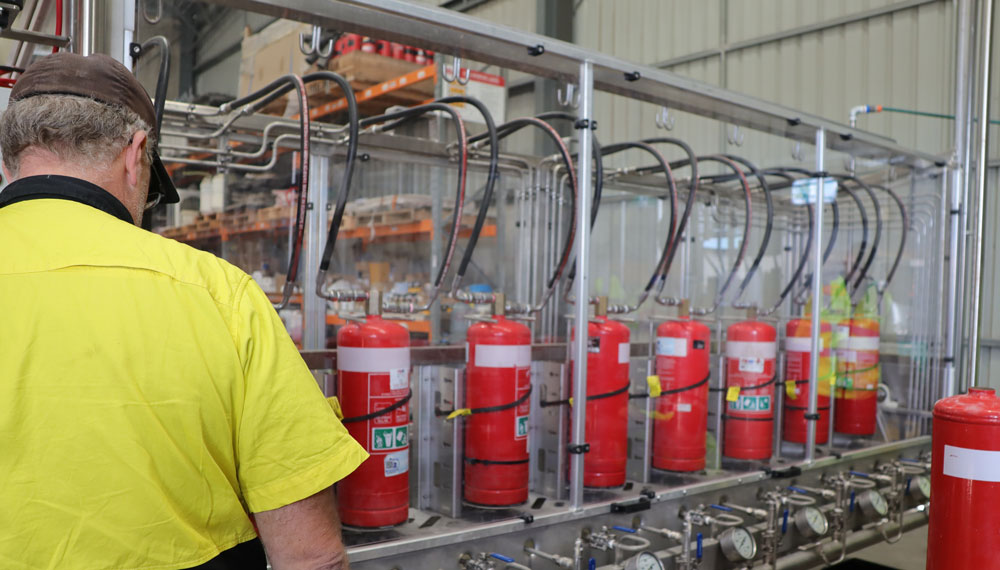
Essential Safety Measures (ESMs) are the systems, equipment and features that keep a building safe during an emergency. They help people evacuate, control the spread of fire and smoke, and ensure emergency services can do their job safely.

Examples include:
  • Fire hose reels
  • Fire extinguishers and blankets
  • Fire sprinklers
  • Fire hydrants
  • Fire pumps and tanks
  • Alarm and detection systems
  • Emergency and exit lights
  • Means of egress
  • Special hazard systems
  • Passive fire and smoke doors and systems
They can also include air handling and smoke management systems, emergency lifts and power supplies, fire curtains, fire control centres, mechanical ventilation and other structural fire safety elements designed to protect occupants and responders.

These systems form the foundation of building safety and are required to be maintained throughout the life of a building.

Why Essential Safety Measures matter

ESMs aren’t just a compliance requirement, they save lives.

Properly maintained ESMs ensure that buildings remain safe for occupants and emergency responders in the event of a fire or other emergency.

Maintaining your ESMs matters because:

They protect people by allowing safe evacuation and limiting fire spread.
They are a legal requirement under the Building Act 1993 and Building Regulations 2018.
They support insurance compliance - non-compliance can affect coverage or claims.
They give peace of mind that your building is safe for staff, tenants and visitors.

Who is responsible for essential safety measures?

Under Victorian law, the building owner is legally responsible for ensuring that all Essential Safety Measures are properly maintained and kept in working order.

In many cases, this responsibility is delegated to property managers, facility managers or strata managers, however, the legal accountability always remains with the owner.

Failure to maintain ESMs can result in fines, increased liability and, most importantly, risks to safety.

At FWSR Group, we take the complexity out of ESM compliance. We schedule, inspect, test and maintain all fire protection systems and building safety features, providing clear reports and records so you can have full confidence that your legal obligations are met and your people are protected.

Annual essential safety measures (reports)

If you own or manage a building in Victoria, including Regional Victoria, you’re required by law to complete an Annual Essential Safety Measures Report (AESMR).

The AESMR provides a snapshot confirming your building’s Essential Safety Measures (ESMs) have been maintained and are legally compliant.

This includes ensuring fire protection systems, mechanical systems, and other life-saving equipment meet Australian Standards and the Building Code of Australia.

This report must be completed every year:

  • Within 28 days before the anniversary of your first occupancy permit or maintenance determination
  • Or, if no permit exists, within 28 days before 13 June.

FWSR Group, helping you protect your most important asset, your people.

Phone us on 1300 886 208 or visit fwsrgroup.com.au to get started with your Essential Safety Measures.

Contact us today for fire protection, training or workplace safety solutions.
Shepparton
Ballarat
Melbourne
Bendigo
Mildura
Wodonga